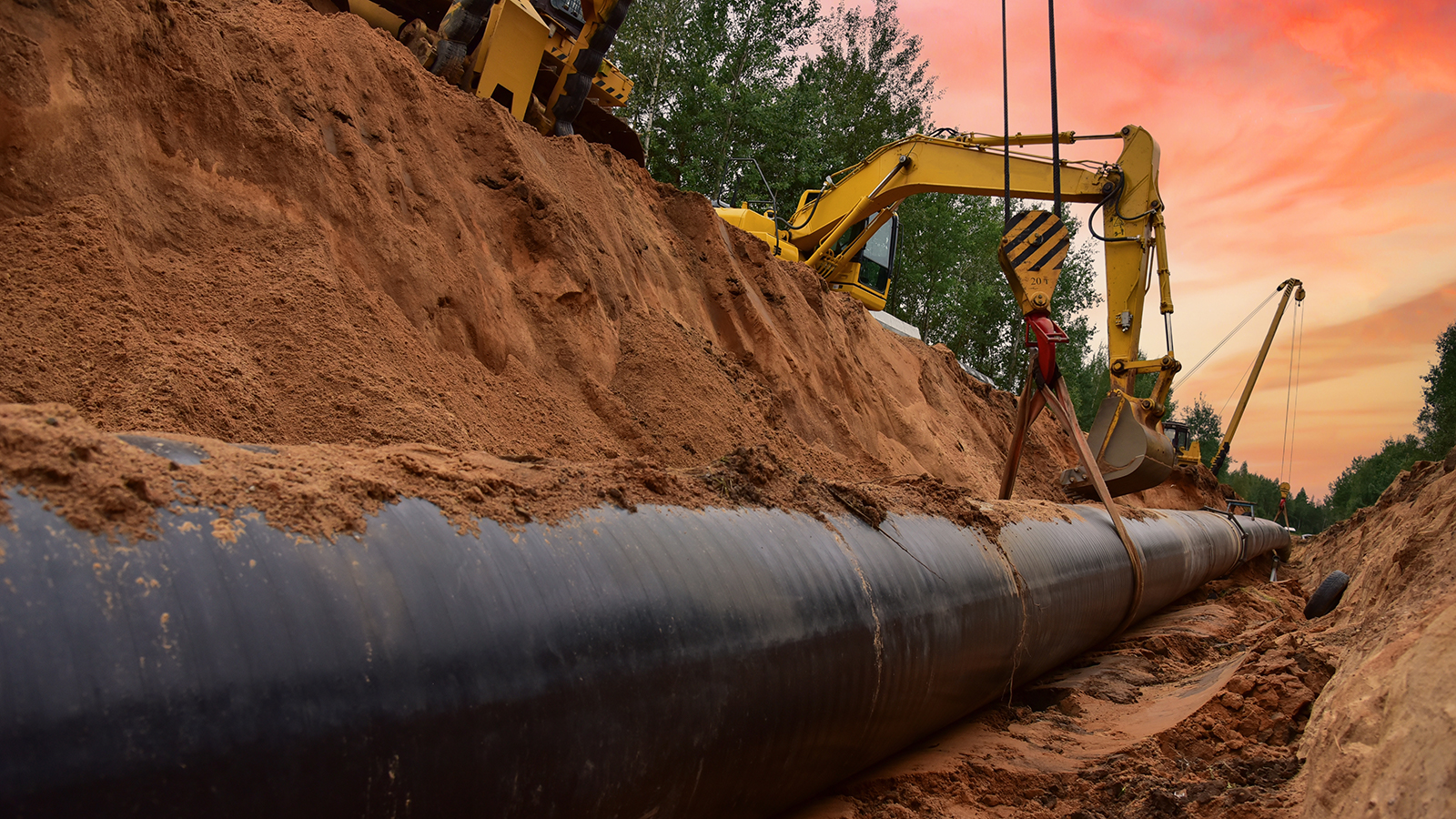
Pipeline construction is a complex and multifaceted process that requires precision engineering, expert management, and adherence to environmental and safety standards. With the growing demand for energy and the expansion of urban areas, the need for efficient pipeline systems has never been more critical. This guide provides an in-depth look into the intricacies of pipeline construction services, highlighting key aspects from planning to execution, and offering insights into how these services are delivered with expertise and care.
Understanding the Pipeline Construction Process
Pipeline construction involves several stages, each crucial to ensuring the pipeline’s integrity and functionality. The process is generally divided into the following phases:
- Planning and Design: This initial phase involves a detailed analysis of the project requirements, environmental assessments, and route planning. Advanced software and technologies are used to design efficient pathways that minimize environmental impact.
- Permitting and Approvals: Securing the necessary permits and approvals is essential. This includes liaising with government bodies and local communities to ensure compliance with regulations.
- Procurement: Sourcing high-quality materials and equipment is crucial for the longevity and reliability of the pipeline. This stage involves meticulous planning and supplier management.
- Construction: The actual building of the pipeline includes trenching, pipe laying, welding, and backfilling. Each step is carried out by skilled professionals using specialized equipment.
- Testing and Commissioning: After construction, rigorous testing is conducted to ensure the pipeline’s safety and performance. This includes pressure testing and quality inspections.
For more detailed insights into each phase, discover expert strategies here.
Key Considerations in Pipeline Construction
Safety and Environmental Impact
Ensuring the safety of workers and the surrounding environment is paramount in pipeline construction. Companies must adhere to strict safety protocols and environmental standards. Key considerations include:
- Implementing advanced safety measures to protect workers and prevent accidents.
- Conducting environmental impact assessments to identify and mitigate potential adverse effects.
- Utilizing eco-friendly materials and construction techniques to minimize ecological disturbance.
Learn about our tailored solutions for addressing these challenges here.
Technological Innovations
The pipeline construction industry is continually evolving, with new technologies enhancing efficiency and reducing costs. Some of the latest innovations include:
- Drone Technology: Used for surveying and monitoring construction sites, drones provide real-time data and improve site safety.
- Automation and Robotics: Automated systems and robotics are employed for tasks such as welding and inspection, reducing human error and increasing precision.
- Advanced Data Analytics: Big data and analytics are used to optimize construction schedules and resource allocation, ensuring projects are completed on time and within budget.
Explore advanced guides and tips on integrating these technologies here.
Challenges and Solutions in Pipeline Construction
Pipeline construction projects often face challenges such as regulatory hurdles, landowner concerns, and technical difficulties. However, with strategic planning and expert execution, these challenges can be overcome. Key strategies include:
- Proactive Stakeholder Engagement: Building strong relationships with landowners and local communities to address concerns and ensure smooth project execution.
- Regulatory Compliance: Staying updated with regulatory changes and ensuring all legal requirements are met to avoid project delays.
- Technical Expertise: Employing skilled professionals with extensive experience in pipeline construction to navigate complex technical challenges.
Find out more about this approach here.
Conclusion
Pipeline construction services require a blend of technical expertise, strategic planning, and innovative solutions to deliver efficient and sustainable infrastructure. By understanding the process, addressing key considerations, and leveraging technological advancements, pipeline construction can meet the growing demands of the energy sector while safeguarding the environment and communities. For further exploration of these practices, explore advanced guides and tips.
About the Author