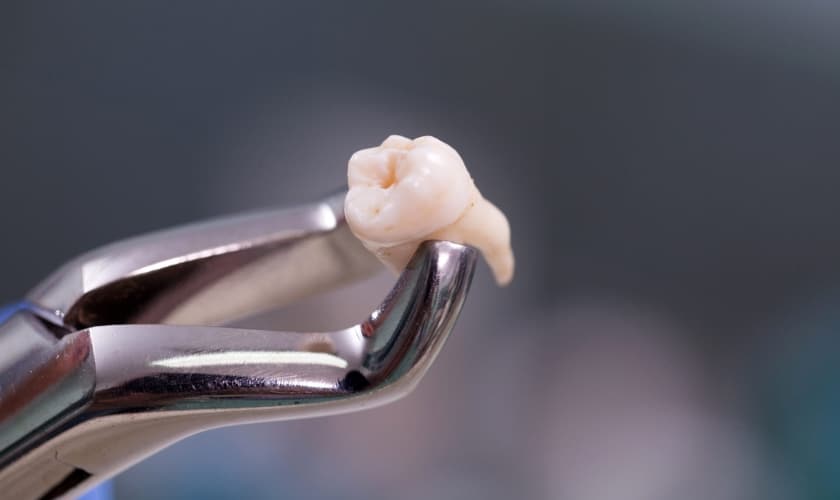
Wisdom tooth extraction is a common dental procedure that many individuals undergo to prevent potential dental issues. These third molars, commonly known as wisdom teeth, often emerge in late adolescence or early adulthood. However, not everyone requires their removal. The decision to extract is based on several factors including the positioning, alignment, and health of these teeth. Comprehensive understanding and professional guidance are vital for those considering this procedure. This guide delves into the intricacies of wisdom tooth extraction, offering insights and expert advice to ensure a seamless experience.
Understanding Wisdom Teeth
Wisdom teeth are the last set of molars to emerge, typically appearing between the ages of 17 and 25. While they can be useful for chewing, they often cause complications due to:
- Insufficient space in the jaw, leading to impaction.
- Potential to disrupt the alignment of existing teeth.
- Increased risk of infection and decay due to their position.
For a deeper understanding of how wisdom teeth can affect oral health, discover expert strategies here.
Why Extraction May Be Necessary
The removal of wisdom teeth is not always necessary, but certain conditions warrant extraction. Key indicators include:
- Pain and discomfort in the back of the mouth.
- Swelling around the jaw area.
- Partial eruption leading to gum infections.
- Signs of cysts or tumors near the affected teeth.
In these scenarios, seeking professional evaluation is crucial. Learn about our tailored solutions to address these issues effectively.
The Extraction Procedure
Pre-Procedure Preparation
Preparation is paramount to ensure a smooth extraction process. It involves:
- Consultation with a dental professional to assess the necessity of extraction.
- Understanding the procedure through detailed discussions with the dentist.
- Arranging transportation as anesthetics may impair driving ability post-procedure.
For more detailed preparation steps, explore advanced guides and tips.
The Procedure Itself
The extraction process varies depending on the complexity of the case. Generally, it involves:
- Administration of local anesthesia to numb the area.
- Incision in the gum tissue to expose the tooth and bone.
- Removal of the tooth, which may require sectioning if deeply embedded.
- Stitching the incision site to promote healing.
Each step is carefully executed to minimize discomfort and ensure patient safety.
Post-Procedure Care
Proper aftercare is essential to facilitate healing and prevent complications. Key post-operative care tips include:
- Applying ice packs to reduce swelling.
- Avoiding strenuous activity for a few days.
- Following a soft-food diet to avoid irritation.
- Keeping the head elevated to reduce bleeding.
Find out more about this approach to post-operative care here.
Conclusion
Wisdom tooth extraction is a significant procedure that requires careful consideration and professional guidance. Understanding the reasons for extraction, the process involved, and the necessary aftercare can greatly enhance the outcome. For those considering this procedure, consulting with a qualified dental professional is imperative to ensure a successful and uneventful recovery.
About the Author