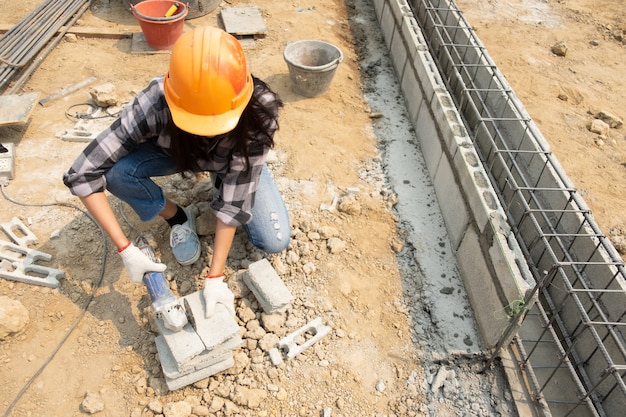
A solid foundation is crucial for the structural integrity and longevity of any building. Over time, factors such as soil instability, poor initial construction, or natural wear and tear can compromise this crucial component. Foundation underpinning emerges as a key solution, offering a method to reinforce and stabilize foundations, ensuring safety and durability. Understanding the importance and process of foundation underpinning can help homeowners make informed decisions about maintaining their property.
Why Foundation Underpinning is Essential
Foundation underpinning is not just about fixing visible issues but also about preventing future problems. Here are some reasons why it is deemed essential:
- Addressing soil instability which can lead to uneven settling.
- Correcting foundation depth to meet current building regulations.
- Enhancing the load-bearing capacity of the foundation.
- Preventing further structural damage that can lead to costly repairs.
For more insights into why underpinning is crucial, discover expert strategies here.
Indicators Your Home Might Need Underpinning
Recognizing the early signs of foundation issues can save homeowners from extensive damage. Look for the following indicators:
Visible Cracks
Cracks in walls, floors, and around windows or door frames can signal foundation problems.
Uneven Floors
Floors that slope or are noticeably uneven often point to shifting foundations.
Sticking Doors and Windows
Difficulty in opening and closing doors and windows can be a result of the foundation settling unevenly.
To address these issues effectively, learn about our tailored solutions.
The Process of Foundation Underpinning
The underpinning process involves several steps aimed at reinforcing the existing foundation. Here?s a simplified overview:
- Assessment: A thorough inspection to identify the root cause of the foundation issue.
- Design: Developing a suitable underpinning strategy based on the assessment.
- Excavation: Carefully digging beneath the foundation to create space for additional support.
- Installation: Placing the underpinning supports, such as concrete piers or steel pilings.
- Stabilization: Ensuring the new supports are secure and the foundation is stable.
For a comprehensive understanding of the underpinning methods, explore advanced guides and tips.
Benefits of Professional Foundation Underpinning
Engaging professionals for foundation underpinning brings several advantages:
- Expertise: Skilled professionals can accurately diagnose and address issues.
- Quality Assurance: Ensures that underpinning meets industry standards and regulations.
- Long-Term Solutions: Provides a durable fix that can prevent future problems.
- Increased Property Value: A stable and well-maintained foundation can enhance the market value of a property.
For more information on professional underpinning services, find out more about this approach.
About the Author